


How to Present Original Art Online Without Losing Its Atmosphere (and Make It Easier to Buy)

You’ve poured hours into your original art, but when it goes online, the mood often feels lost and buyers hesitate. Presenting original art online isn’t just about snapping photos—it’s about capturing the soul of your work so it speaks to collectors across screens. In this post, you’ll get clear, practical steps to photograph, describe, and display your art so its atmosphere stays true and buyers feel confident to click “buy.” Learn more here.
Capturing Your Art’s Essence
Picture your art whispering its story to someone miles away. Sounds magical, right? This is where capturing your art’s essence online begins.
How to Photograph Artwork
Great photos are the cornerstone of showcasing your art online. Start by setting up in natural light, either outdoors or near a large window. Avoid direct sunlight, which can cause harsh shadows. Use a tripod to keep your camera steady and shoot at a high resolution to capture details. Remember, a clean, clutter-free background helps your art stand out. Consider investing in a simple lightbox or DIY one using white sheets for small pieces. The goal: make viewers feel they’re standing right in front of your piece.
Achieving Colour Accurate Art Photos
Colour accuracy is crucial. Begin by setting your camera’s white balance to match the light source. Most cameras have presets like “daylight” or “shade.” To ensure colours translate correctly, use a grey card to set a custom white balance. Editing software can help fine-tune colours, but start with a good base. Avoid over-editing; you want your art to look authentic. Test prints can be a useful tool to see how colours appear in physical form.
Art Size and Scale: Get It Right
Communicate the true scale of your work. Include everyday objects in photos to provide context: a chair, a plant, or even a person can help. Mention dimensions clearly in your listing. If your art has depth—like a sculpture or mixed media—capture it from different angles. This gives potential buyers a comprehensive understanding of what they might purchase, making them more confident in their decision.
Art Listing Tips for Success
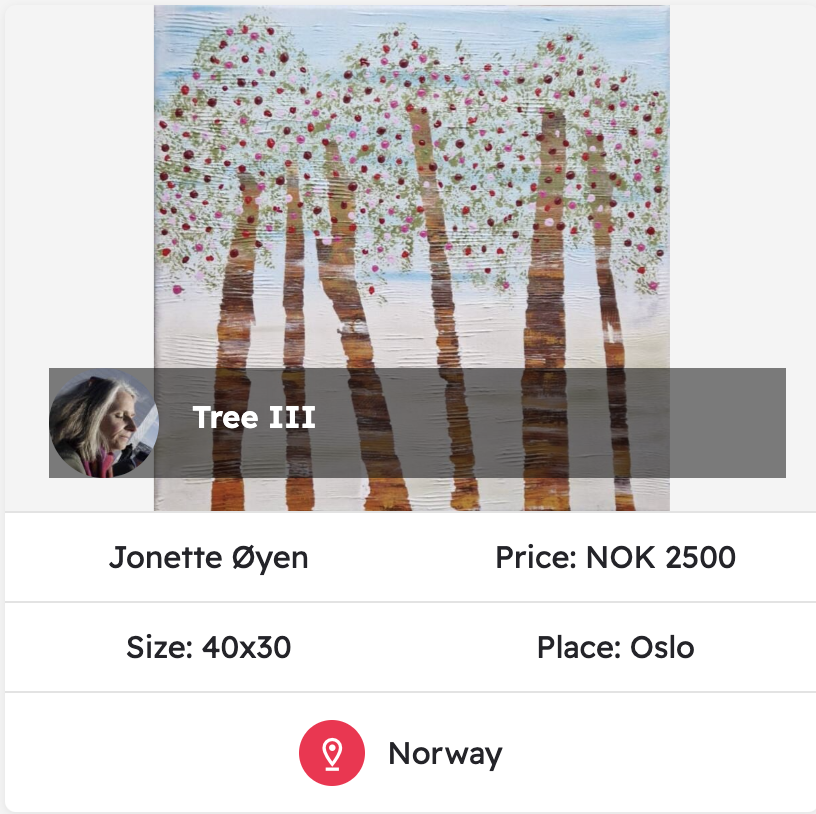
Once you’ve captured the visual essence, the next step is to craft your listing with equal care.
Crafting a Compelling Artist Statement
Your artist statement is your voice when you’re not there to speak. Start with what inspires you. Was it a dream, a memory, or a vision? Keep it personal yet relatable. Share the story behind the piece, the techniques used, and the emotions you hope to evoke. Avoid jargon—simplicity resonates better. Remember, the aim is to give buyers a glimpse into your creative world and connect them emotionally to your work.
Wall Mockups and Display Ideas
Show potential buyers how your art can transform a space. Create mockups by digitally placing your artwork in various room settings. This visualisation helps buyers imagine your art in their own homes or offices. Use tools and apps designed to generate these mockups easily. Consider different styles: minimalist for a modern feel or vintage for a classic touch. The more scenarios you present, the broader your appeal.
Framing and Hanging Advice
A frame can be as integral to your art as the canvas itself. Suggest frame styles and colours that complement your artwork. Provide tips on how to hang the piece to best capture light and focus attention. Mention if the artwork is ready to hang, or if additional hardware is needed. This advice reassures buyers and makes the buying decision smoother.
Making Art Buyer-Friendly
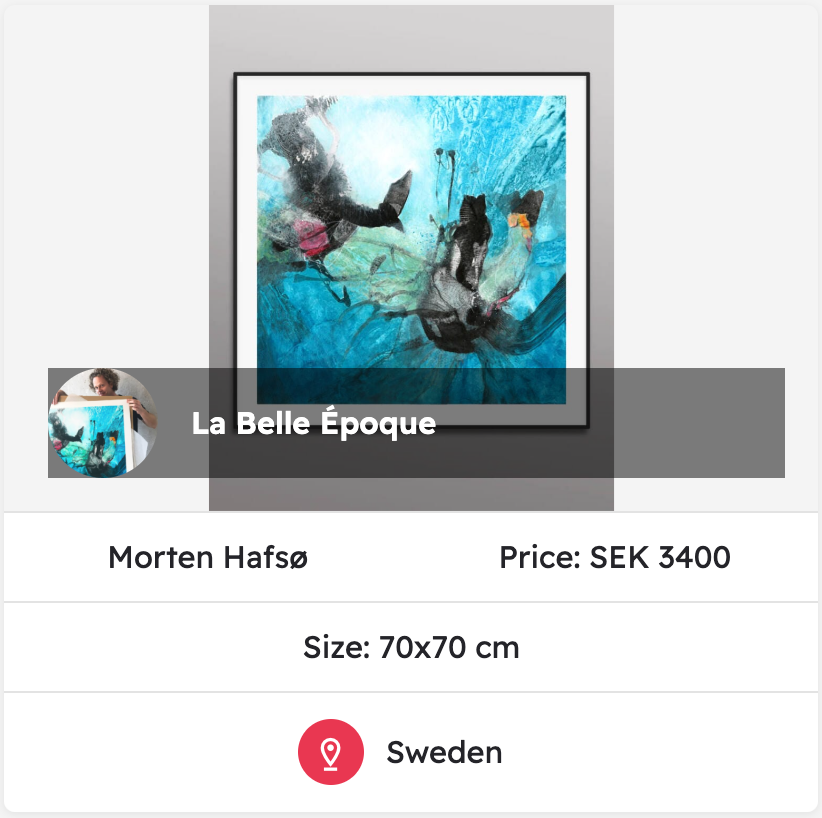
To close the sale, make purchasing your art as seamless as possible.
Shipping Artwork Safely
Ensure your buyers receive the artwork in pristine condition. Use high-quality materials: bubble wrap, sturdy boxes, and corner protectors. Offer clear shipping options and timeframes. Transparency about costs and expected delivery helps build trust. Encourage buyers to unbox carefully and check for any damage upon arrival.
The Importance of a Certificate of Authenticity
A certificate of authenticity adds value and assurance to your art. It confirms the piece’s originality and includes details like the title, date, and your signature. This document not only builds buyer confidence but also protects your work’s legacy.
Selling Art Online Commission-Free with Egenart
Egenart empowers you to sell your art while retaining full control over profits. The platform allows direct contact with buyers, eliminating middlemen. It supports unlimited artwork listings and is designed to spotlight your work in a community that values creativity. With Egenart, you pay no commission, making it a straightforward choice for artists ready to sell.
Frequently Asked Questions
How do I photograph my artwork to ensure the colours are accurate?
Use natural light and set the camera’s white balance correctly. A grey card can assist you in achieving accurate colours.
What should my artist statement include?
Your statement should include your inspiration, the story behind the piece, and the emotions you wish to convey. Keep it relatable and personal.
Why is a certificate of authenticity important?
It verifies the originality of your work, adds value, and provides buyers with confidence in their purchase.
How can I sell my art online without paying commissions?
Platforms like Egenart allow direct sales between artists and buyers, ensuring artists retain full profits without commission fees.
