


Keep the atmosphere: how to present your original art online so it’s easy to buy

Selling original art online feels tricky when photos flatten the mood and buyers hesitate. Your work deserves to shine with its true atmosphere, inviting collectors to connect and commit. This guide shares practical tips on photographing, describing, pricing, and presenting original art online so your pieces speak for themselves—and how Egenart tools make it straightforward to list, promote, and sell commission-free. Ready to make your art sing online? https://egenart.net/nb/how-to-present-original-art-online-without-losing-its-atmosphere-and-make-it-easier-to-buy/
Capture the Atmosphere
To make your art resonate online, capturing its true essence is vital. Creating a digital presence that mirrors the real-life impact of your work isn’t just about visuals; it’s about emotional connection.
Art Photography Lighting Tips
Lighting can transform your art’s digital portrayal. Aim for natural light to maintain true colours and avoid harsh shadows. When shooting indoors, use soft, diffused light sources. A bright day can serve as your perfect lightbox, letting your art glow naturally.
For consistency, set up your lighting in a similar way each time you photograph new pieces. This helps maintain a uniform look across your portfolio. Many artists find that shooting during the golden hour—when the sun is low in the sky—adds a warm, inviting tone to their images. You might also try using a reflector, which can help illuminate shadowy areas without adding harshness.
Colour Accuracy for Artwork
Getting the colours right is crucial in reflecting the integrity of your work. Use a good quality camera and ensure your monitor is calibrated to show colours accurately. This prevents your reds from looking orange or your blues from fading to grey.
Consider using a colour card in your shots. This tool can help adjust your camera settings and post-processing to ensure your artwork’s colours remain true to life. Remember, a mismatch in colours can lead to disappointment for collectors expecting a different hue. By keeping things accurate, you foster trust and satisfaction.
Detail Shots of Paintings
Close-ups highlight the nuances that make your art unique. Capture the texture of brush strokes or the intricacy of fine lines, inviting viewers to explore the depth of your work from different angles.
To get the best detail shots, focus on sections that show varied textures or interesting colour transitions. These images can captivate potential buyers by offering a closer look at your techniques. Use a macro lens if possible, as it will help in capturing these details sharply. Highlighting these features enhances the emotional pull of your art, making it more likely that viewers will connect deeply with your pieces.
Presenting Art Online
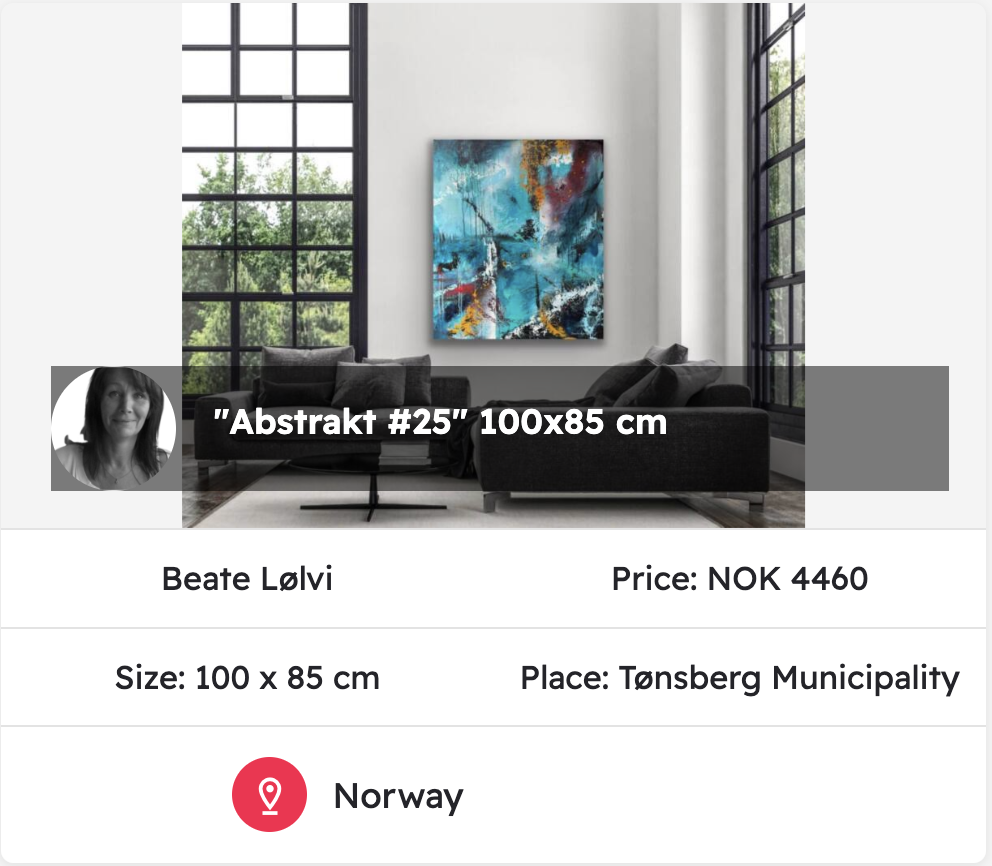
Once your artwork’s atmosphere is captured through photos, presenting it online is the next step. A compelling presentation can make all the difference in engaging potential buyers.
In-Situ Art Styling
Showing your artwork in real-life settings helps collectors envision it in their own spaces. Photograph your art in various rooms with different styles to appeal to a wider audience.
Staging your art can be as simple as placing it above a sofa, in a hallway, or even leaning against a shelf. This showcases versatility and helps buyers imagine your piece in their own home. By offering diverse in-situ shots, you also increase the chances of your art resonating with different tastes and preferences.
Scale Reference Photos
To give a true sense of size, use objects like furniture or plants for scale. This helps buyers understand the artwork’s dimensions and how it might fit into their space.
Adding a person in the shot can also provide an effective sense of scale. For instance, a hand reaching towards the piece or someone standing beside it gives potential buyers a clear reference. This technique reduces uncertainty and helps buyers make informed decisions about whether the piece will suit their space.
Artwork Video Preview
Videos add a dynamic element, showing how light plays on surfaces and revealing subtle details. Create short clips to offer a virtual tour of your piece, enhancing its appeal.
Use close-ups and panning shots to capture different angles and textures. Narrating your video can also add a personal touch, sharing insights about your inspiration or the piece’s story. Videos allow potential buyers to linger longer, increasing their emotional engagement with your art.
Crafting an Engaging Listing
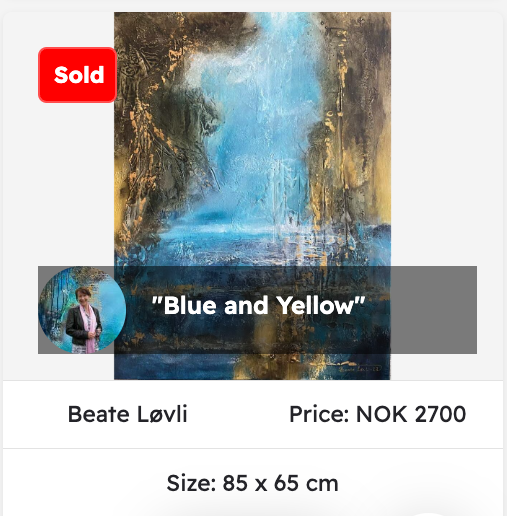
A well-crafted listing turns interest into action. It provides potential buyers with all they need to know to move from browsing to purchasing.
Framing and Mounting Options
Offer choices that complement your artwork and provide added value. Discuss the benefits of each option, such as the protection and aesthetic enhancement offered by different frame types.
Describe the materials and styles available, and explain how they enhance the piece’s presentation. Offering options like custom framing can also create an additional revenue stream and provide buyers with a tailored experience.
Transparent Art Pricing
Clarity in pricing builds trust. Clearly state the price and what it includes, such as shipping, taxes, and any additional fees.
Consider creating a pricing guide or FAQ section to address common questions. Transparency not only reassures buyers but also streamlines the purchasing process, reducing potential friction. By being upfront about costs, you foster a positive experience that encourages sales.
Artist Statement Tips
Your statement is your voice. Use it to share your journey and what drives your creativity. A compelling story can create a deeper connection with your audience.
Keep it concise and genuine. Highlight your influences and the narrative behind your pieces. This personal touch helps buyers feel connected to your art, enhancing its value beyond the visual appeal. A strong artist statement can be the tipping point that transforms interest into purchase.
Frequently Asked Questions
How do I ensure colour accuracy in my art photos?
Use a well-calibrated monitor and consider a colour card for reference. Natural lighting or evenly diffused artificial light can help maintain true colours in your photos.
What should I include in an artist statement?
Share your artistic journey, inspirations, and the story behind your work. Keep it authentic and concise to connect with your audience on a personal level.
How can I create engaging artwork videos?
Capture various angles and textures, and consider narrating the story behind your piece. Keep videos short and dynamic to maintain viewer interest.
What’s the best way to photograph art in situ?
Place your art in different settings that reflect various interior styles. Include objects like furniture for scale, helping potential buyers imagine the piece in their own space.
Why is transparent pricing important for online art sales?
It builds trust and simplifies the buying process. Clearly state all costs, including shipping and taxes, to avoid surprises and encourage confident purchases.
