


Keep the atmosphere: present original art online so it feels easier to buy
Selling original art online often feels like trying to bottle a feeling. Your work has a unique atmosphere that photos can’t always capture, and buyers hesitate when they can’t truly sense that magic. We’ll show you practical ways to present original art online that keep its soul intact and make buying feel natural—using proven tips from Egenart’s artist community. Ready to see your art shine online?
Presenting Art Online
Capturing the Soul of Art
Art isn’t just about what you see, it’s about what you feel. Capturing this essence online requires more than just a good camera. It’s about creating an emotional connection. Imagine your art as a story that needs to be told visually. Start by thinking about what makes each piece unique, then use lighting and setting to reflect that. Your art should feel alive, even on a screen.
How to Photograph Artwork
Taking photos of your artwork can be daunting, but it doesn’t have to be. First, ensure your artwork is well-lit. Natural light is your friend, so aim for a bright, overcast day to avoid harsh shadows. Use a tripod to keep your camera steady, and shoot at eye level to maintain the artwork’s proportions. Remember, the goal is to make the viewer feel like they’re standing in front of the piece.
Colour-Accurate Art Images
Colours can look different online. To keep them true, ensure your camera settings are correct. Use the right white balance, and consider editing tools that let you adjust hues and saturation. Compare your on-screen image with the original under natural light to ensure they match. Perfect colour representation is key to maintaining the integrity of your art.
Building Art Buying Confidence
Wall Mockups for Art
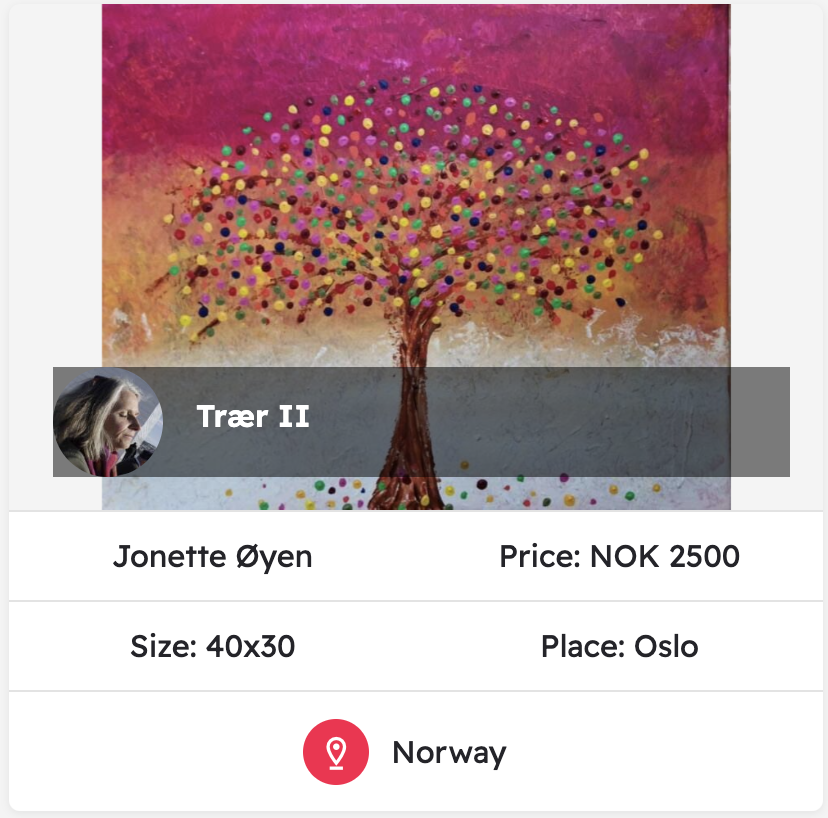
Help buyers envision your art in their space by using wall mockups. These are digital images that show how your piece might look on a living room wall or office. This visualisation can bridge the gap between screen and reality, making the decision to purchase easier. Use software that allows you to adjust the scale and perspective to fit different settings.
Scale Reference for Paintings
Size matters when buying art, and photos can be deceptive. Include objects like a chair or person in your images to give buyers a sense of scale. This simple technique helps dispel doubts about whether a piece will fit in the desired space and builds buyer confidence.
Art Storytelling Techniques
Every piece of art has a story, and sharing it can make all the difference. Write a short narrative about the inspiration, process, or emotions behind your work. This personal touch can resonate with buyers, making them feel more connected to your art. Remember, people often buy art because they fall in love with the story behind it.
Enhancing Art Sales
Art Listing Tips
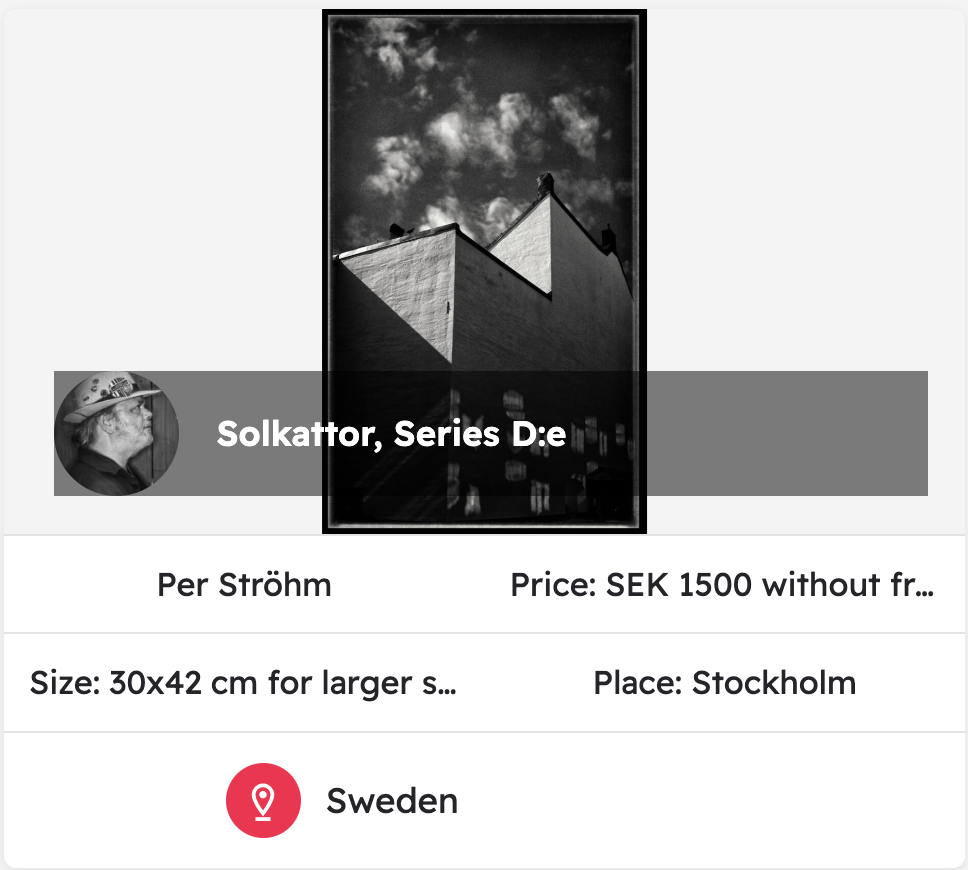
Your art listing is your first impression, so make it count. Use clear and concise language to describe your artwork. Highlight the medium, dimensions, and any unique features. Include keywords like “original art online” to help potential buyers find you. The clearer and more detailed your listing, the more likely you are to attract interested buyers.
Certificate of Authenticity Importance
Providing a certificate of authenticity can be a game-changer. It reassures buyers that they’re purchasing a genuine piece of art. Include details like your name, the title of the artwork, and its creation date. This simple document can add significant value and trust to your sales process.
Framing Options and Shipping Details
Offering framing options can enhance the appeal of your art. Let buyers know if you provide framing and describe the styles available. Clearly outline your shipping process too, including costs and delivery times. Transparency in these areas reduces buyer hesitation and makes your art more accessible.
Frequently Asked Questions
How can I photograph my artwork to capture its true essence?
Use natural light and a tripod for stability. Shoot at eye level to maintain proportions and adjust camera settings for accurate colour representation.
What is the importance of a certificate of authenticity?
It provides proof of originality, adding value and trust to your artwork, and reassures buyers of their purchase.
How can wall mockups improve art sales?
They help buyers visualise your art in their space, making it easier for them to decide to purchase.
Why should I include a scale reference in my art photos?
To give buyers a better understanding of the artwork’s size, which helps in making an informed purchase decision.
What should I include in my art listings to attract buyers?
Use clear descriptions, include dimensions and medium, and incorporate keywords like “original art online” for better visibility.